


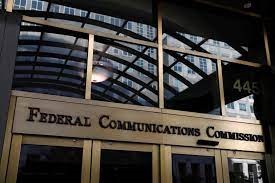
Technology Channel Sales Professionals (TCSP), the nonprofit trade association representing the interests of technology advisors, has formally submitted comments to the Federal Communications Commission (FCC), urging the agency to protect the role of independent TAs in the federal E-Rate program.
The filing addresses an important question raised by the FCC in its current rulemaking: Should independent sales agents and channel partners be excluded from the regulatory definition of an E-Rate “consultant”?
TCSP argues that legitimate TAs acting on behalf of service providers should not be classified as E-Rate consultants simply because they are independent contractors rather than direct employees of those providers. We’ve seen this before, argues TCSP, and the industry paid a price.
In 2019, FCC regulations effectively shut commission-compensated TAs out of the Rural Health Care (RHC) program. TCSP believes those rules failed to recognize the substantial value TAs bring to healthcare organizations, particularly rural facilities that often lack the resources and expertise to navigate an increasingly complex technology marketplace.
The regulations treated sales agents as potential sources of conflicts of interest without adequately distinguishing legitimate provider-side sales activity from consulting activities that influence federally funded procurement decisions, said the group. The result, TCSP argues, was an unnecessary restriction on an established channel that helps healthcare organizations identify technology solutions, understand their options and connect with competing service providers.
“We saw what happened in the Rural Health Care program when regulations failed to distinguish between independent technology advisors and consultants who manage the federal funding process,” said Darcee Nelan, Chairwoman of TCSP. “The underlying assumption seemed to be that independent sales agents added little value and represented a potential problem rather than a resource. Anyone who understands our industry knows how far that is from reality.
“Technology Advisors bring expertise, competition, innovation, and access to solutions that customers might never discover on their own. Schools and libraries deserve access to that expertise just as much as any other organization,” continued Nelan.
In its October 13, filing, TCSP strongly advocated that the FCC expressly exclude legitimate provider-side TAs from the definition of “consultant,” provided they do not administer or control an applicant’s E-Rate competitive bidding, application or funding process. TCSP explained that independent TAs frequently maintain relationships with multiple service providers and serve as an alternative sales channel for those companies. Their compensation typically comes from the providers whose services they sell, not from the E-Rate program or the amount of federal funding awarded to a school or library.
TCSP argues that this is fundamentally different from a consultant hired by an E-Rate applicant to manage its federally regulated procurement and funding process, emphasizing that the FCC should evaluate an individual’s actual activities and responsibilities rather than simply whether that person receives a commission.
“A technology advisor shouldn’t be treated differently from a provider’s direct sales employee simply because the advisor operates an independent business,” Nelan said. “If they’re performing the same legitimate sales function, the regulatory treatment should be the same. It’s a straightforward distinction, and we’re making sure the FCC understands it.”
The FCC’s E-Rate proceeding is one example of why TCSP was formed: to give technology advisors an organized, credible voice in matters that affect their businesses and the customers they serve.
For too long, important regulatory decisions affecting the technology advisor channel have been made without meaningful representation of the independent sales professionals whose businesses and customers are directly impacted, said TCSP, which is working to change that.
“The Rural Health Care experience demonstrated what can happen when our industry doesn’t have a strong, unified voice at the table,” Bill Power, TCSP president, explained. “TCSP is here to make sure technology advisors are heard. We’re watching what’s happening in Washington, we’re engaging when the industry is at risk, and we’re advocating for policies that recognize the important role technology advisors play.”